Κυριάκος Κυριαζόπουλος: Η δημοκρατία δεν στηρίζεται μόνο στους νόμους αλλά και στον πολιτισμό του διαλόγου: Από το Βατικανό στη Σύγχρονη Ευρώπη: Το Διεθνές Νομικό Όραμα του Kαθηγητή Της Νομικής του Α.Π.Θ. Κυριάκου Κυριαζόπουλου
Μια συνομιλία για το Δίκαιο, την Παιδεία, τη θρησκευτική ελευθερία και το μέλλον της δημοκρατίας σε τέσσερις γλώσσες: ελληνικά, γερμανικά, αγγλικά και γαλλικά.
Ius sine cultura dialogi fragile est; cum ea vero, fundamentum civitatis fit/ Το δίκαιο χωρίς τον πολιτισμό του διαλόγου είναι εύθραυστο· με αυτόν όμως γίνεται θεμέλιο της πολιτείας
Ράνια Γάτου
Γενική Γραμματέας Διεθνούς Ανθρωπιστικού Φορέα Coeurs Pour Tous/
Μελετήτρια Καρδιοχειρουργικής/
Ερευνήτρια Πολιτισμικού Λόγου/
Ποιήτρια – Εικαστικός
Το συγγραφικό έργο του Κυριάκου Κυριαζόπουλου συγκροτεί ένα συνεκτικό και διεθνώς προσανατολισμένο επιστημονικό corpus, στο οποίο το Δίκαιο προσεγγίζεται ως πολιτισμικό και θεο-νομικό φαινόμενο, στο σημείο τομής μεταξύ θεσμών, κοινωνίας και πνευματικής παράδοσης. Η ακαδημαϊκή του πορεία ενισχύεται από μεταπτυχιακές σπουδές στο Γρηγοριανό Πανεπιστήμιο της Ρώμης (Pontificia Università Gregoriana, 1987) και στο Ανατολικό Εκκλησιαστικό Ινστιτούτο της Ρώμης (Pontificio Istituto Orientale, 1989), δύο κορυφαία ιδρύματα της ρωμαϊκής και βατικανής επιστημονικής παράδοσης, όπου εμβάθυνε στη σχέση κανονικού δικαίου, θεολογίας και ευρωπαϊκής νομικής σκέψης.
Στο πλαίσιο αυτό, το έργο του εντάσσεται σε έναν ευρύτερο ευρωπαϊκό και διεθνή διάλογο για τη θρησκευτική ελευθερία, την πολιτιστική κληρονομιά και το κράτος δικαίου, προτείνοντας μια ερμηνευτική προσέγγιση του Δικαίου ως ζωντανού πολιτισμικού οργανισμού. Σε μια εποχή όπου ο δημόσιος λόγος επιταχύνεται και συχνά επιφανειακοποιείται, η δημοκρατία δοκιμάζεται όχι μόνο στους θεσμούς της, αλλά και στον ίδιο τον πολιτισμό του διαλόγου. Ο Καθηγητής Κυριάκος Κυριαζόπουλος προσεγγίζει το Δίκαιο όχι ως μηχανισμό κανόνων, αλλά ως ζωντανό πεδίο αξιών, όπου η δημοκρατία νοείται πρωτίστως ως τρόπος συνύπαρξης. Η παρούσα συνέντευξη επιχειρεί να αναδείξει αυτή τη διάσταση, φωτίζοντας τη σχέση ανάμεσα στον θεσμό, τον άνθρωπο και τον λόγο.
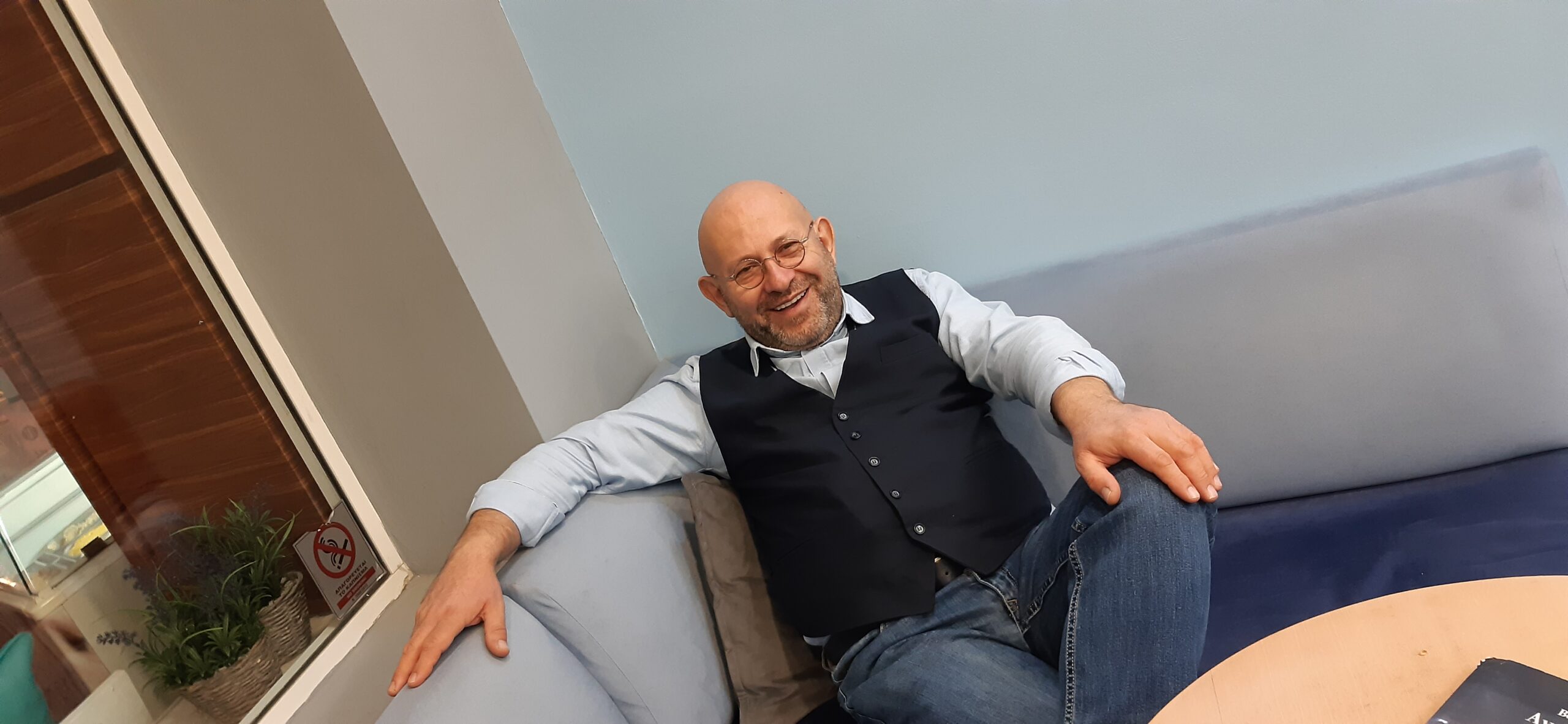
Ο Καθηγητής Κυριάκος Κυριαζόπουλος συγκαταλέγεται μεταξύ των ακαδημαϊκών που προσεγγίζουν το Δίκαιο ως πεδίο διασταύρωσης θεσμών, πολιτισμού και αξιακών συστημάτων, με σαφή διεθνή προσανατολισμό και έντονο διεπιστημονικό βάθος.
Υπό το πρίσμα των σύγχρονων προκλήσεων που αντιμετωπίζουν οι δημοκρατικές κοινωνίες διεθνώς, σας απευθύνουμε το ακόλουθο ερώτημα:
ΡΑΝΙΑ ΓΑΤΟΥ: Κύριε Καθηγητά, σε μια εποχή όπου η δημόσια συζήτηση χαρακτηρίζεται συχνά από πόλωση και ένταση, ποια θεωρείτε ότι είναι η μεγαλύτερη πρόκληση για τη δημοκρατία;
ΚΥΡΙΑΚΟΣ ΚΥΡΙΑΖΟΠΟΥΛΟΣ: Η δημοκρατία δεν απειλείται μόνο όταν παραβιάζονται οι νόμοι ή όταν οι θεσμοί αδυνατούν να λειτουργήσουν. Απειλείται, πρωτίστως και πιο ύπουλα, όταν αλλοιώνεται το ίδιο το περιβάλλον μέσα στο οποίο οι θεσμοί αυτοί αποκτούν νόημα: ο δημόσιος λόγος.Όταν η επιχειρηματολογία αντικαθίσταται από τον χαρακτηρισμό και ο διάλογος από την πόλωση, τότε ακόμη και ένα άρτια διατυπωμένο νομικό πλαίσιο μπορεί να καταστεί ανεπαρκές στην πράξη. Διότι το Δίκαιο, όσο αυστηρό και αν είναι ως σύστημα κανόνων, προϋποθέτει έναν πολιτισμό συμμόρφωσης που δεν επιβάλλεται μόνο με κυρώσεις, αλλά καλλιεργείται με παιδεία.Ενδεικτικά, ακόμη και στο συνταγματικό μας πλαίσιο, η ελευθερία της έκφρασης δεν νοείται ως απόλυτη αυτοαναφορικότητα του λόγου, αλλά ως δικαίωμα που ασκείται μέσα σε ένα πεδίο ευθύνης απέναντι στην αξία του άλλου και στη λειτουργία του δημοκρατικού διαλόγου. Αν ο δημόσιος λόγος εκτραπεί σε συστηματική απαξίωση του συνομιλητή, τότε το πρόβλημα δεν είναι μόνο ηθικό· είναι και θεσμικό, διότι υπονομεύει τον πυρήνα της δημοκρατικής διαδικασίας, που είναι η ορθολογική αντιπαράθεση επιχειρημάτων.
Γι’ αυτό και θεωρώ ότι η μεγαλύτερη πρόκληση για τη δημοκρατία σήμερα δεν είναι η ύπαρξη της διαφωνίας — αυτή είναι δεδομένη και υγιής — αλλά η διατήρηση των όρων μέσα στους οποίους η διαφωνία παραμένει παραγωγική. Δηλαδή, η μετατροπή της αντιπαράθεσης σε διάλογο και όχι σε σύγκρουση ταυτοτήτων.
Με αυτή την έννοια, η δημοκρατία δεν είναι μόνο ένα σύνολο κανόνων δικαίου, αλλά και ένα λεπτό θεσμικό και πολιτισμικό οικοδόμημα, το οποίο προϋποθέτει πολίτες ικανούς να ακούν, να επιχειρηματολογούν και να αναγνωρίζουν στον άλλον όχι έναν εχθρό, αλλά έναν ισότιμο φορέα λόγου.
ΡΑΝΙΑ ΓΑΤΟΥ: Ως Καθηγητής Εκκλησιαστικού Δικαίου και Θεολόγος, πώς αντιλαμβάνεστε τη σχέση Δικαίου και ηθικής;
ΚΥΡΙΑΚΟΣ ΚΥΡΙΑΖΟΠΟΥΛΟΣ: Το Δίκαιο και η ηθική συνιστούν δύο διακριτά, αλλά βαθιά αλληλένδετα επίπεδα της ανθρώπινης κοινωνικής εμπειρίας. Το πρώτο αφορά τη θεσμική οργάνωση της συμβίωσης, τη ρύθμιση της συμπεριφοράς μέσω δεσμευτικών κανόνων και την εξασφάλιση της ασφάλειας δικαίου. Το δεύτερο αναφέρεται στο αξιακό υπόβαθρο που νοηματοδοτεί αυτούς τους κανόνες και προσδίδει περιεχόμενο στην εφαρμογή τους. Ένα κράτος δικαίου δεν εξαντλείται στην τυπική νομιμότητα των πράξεων, αλλά θεμελιώνεται στην ουσιαστική τους δικαιοσύνη. Η έννοια της ανθρώπινης αξιοπρέπειας λειτουργεί ως υπερνομοθετική αρχή, η οποία διαπερνά ολόκληρη την έννομη τάξη και καθοδηγεί την ερμηνεία και την εφαρμογή των κανόνων. Αντίστοιχα, η ελευθερία της συνείδησης και η ισότητα ενώπιον του νόμου δεν αποτελούν απλώς νομικές διατάξεις, αλλά εκφράσεις μιας βαθύτερης ηθικο-πολιτικής θεώρησης του ανθρώπου.Υπό αυτή την έννοια, η ηθική δεν υποκαθιστά το Δίκαιο, ούτε το Δίκαιο εξαντλεί την ηθική. Αντιθέτως, η μεταξύ τους σχέση είναι διαλεκτική: το Δίκαιο χρειάζεται την ηθική ως πηγή προσανατολισμού, ενώ η ηθική χρειάζεται το Δίκαιο ως εγγύηση θεσμικής εφαρμογής μέσα στην κοινωνία.
ΡΑΝΙΑ ΓΑΤΟΥ: Η θρησκευτική ελευθερία αποτελεί συχνά αντικείμενο δημόσιου διαλόγου. Πώς μπορεί να διαφυλαχθεί σε μια πολυπολιτισμική κοινωνία;
ΚΥΡΙΑΚΟΣ ΚΥΡΙΑΖΟΠΟΥΛΟΣ: Η θρησκευτική ελευθερία αποτελεί θεμελιώδες δικαίωμα του ανθρώπου, το οποίο δεν εξαντλείται στην προστασία της θρησκευτικής πίστης ως εσωτερικής πεποίθησης, αλλά εκτείνεται και στο δικαίωμα της ελεύθερης διαμόρφωσης συνείδησης, της έκφρασης των θρησκευτικών πεποιθήσεων και της απρόσκοπτης συμμετοχής στην κοινωνική ζωή σύμφωνα με αυτές, υπό την προϋπόθεση του σεβασμού της δημόσιας τάξης και των δικαιωμάτων των άλλων. Σε ένα κράτος δικαίου, η θρησκευτική ελευθερία δεν λειτουργεί ως στοιχείο διαίρεσης, αλλά ως εγγύηση πλουραλισμού. Η δημοκρατική έννομη τάξη δεν επιδιώκει την επιβολή ομοιομορφίας στις πεποιθήσεις, αλλά τη θεσμική οργάνωση της συνύπαρξης μέσα από κανόνες ισότητας, ανεκτικότητας και αμοιβαίου σεβασμού.
Υπό αυτή την έννοια, η πολυπολιτισμική κοινωνία δεν αποτελεί εξαίρεση ή πρόβλημα προς επίλυση, αλλά πραγματικότητα που δοκιμάζει την ποιότητα του ίδιου του κράτους δικαίου. Η θρησκευτική ετερότητα δεν συνιστά απειλή για τη δημοκρατία· αντιθέτως, αποτελεί κριτήριο ωριμότητάς της, καθώς αναδεικνύει την ικανότητα των θεσμών να εγγυώνται την ειρηνική συνύπαρξη διαφορετικών κοσμοθεωριών μέσα στο ίδιο νομικό και αξιακό πλαίσιο.
ΡΑΝΙΑ ΓΑΤΟΥ: Ποιος είναι ο ρόλος του πανεπιστημίου στη σύγχρονη εποχή;
ΚΥΡΙΑΚΟΣ ΚΥΡΙΑΖΟΠΟΥΛΟΣ: Το πανεπιστήμιο δεν αποτελεί απλώς έναν θεσμό μετάδοσης γνώσης ούτε έναν μηχανισμό παραγωγής εξειδικευμένων δεξιοτήτων. Είναι, πρωτίστως, ένας ζωντανός πνευματικός χώρος όπου καλλιεργείται η ελευθερία της σκέψης, η κριτική ικανότητα και η αίσθηση της επιστημονικής και κοινωνικής ευθύνης.Η αποστολή του δεν περιορίζεται στη συσσώρευση γνώσεων, αλλά επεκτείνεται στη διαμόρφωση προσωπικοτήτων που μπορούν να κατανοούν σε βάθος την πολυπλοκότητα του σύγχρονου κόσμου, να αμφισβητούν δημιουργικά τις βεβαιότητες και να συμμετέχουν ενεργά στη διαμόρφωση του κοινού αγαθού. Υπό αυτή την έννοια, το πανεπιστήμιο λειτουργεί ως θεσμικός χώρος ελευθερίας, όπου η επιστημονική γνώση δεν αποκόπτεται από τον άνθρωπο, αλλά επιστρέφει σε αυτόν ως πράξη ευθύνης. Όταν η επιστήμη αποξενώνεται από τις κοινωνικές της αναφορές και παύει να συνομιλεί με τον άνθρωπο, τότε χάνει ένα ουσιώδες μέρος της αποστολής της. Επομένως, ο ρόλος του πανεπιστημίου στη σύγχρονη εποχή είναι διπλός: αφενός να παράγει γνώση υψηλής επιστημονικής αξίας και αφετέρου να καλλιεργεί τον πολιτισμό του διαλόγου, μέσα στον οποίο η γνώση αυτή αποκτά νόημα, προσανατολισμό και κοινωνική προοπτική.
ΡΑΝΙΑ ΓΑΤΟΥ: Πιστεύετε ότι η Ευρώπη δοκιμάζει σήμερα τις αξίες πάνω στις οποίες οικοδομήθηκε;
ΚΥΡΙΑΚΟΣ ΚΥΡΙΑΖΟΠΟΥΛΟΣ: Κάθε ιστορική εποχή δεν κρίνει απλώς τις αξίες της· τις αποκαλύπτει μέσα από τις προκλήσεις που αντιμετωπίζει. Υπό αυτή την έννοια, η Ευρώπη δεν αποτελεί εξαίρεση, αλλά έναν ζωντανό πολιτισμικό οργανισμό που διαρκώς δοκιμάζει τα θεμέλια πάνω στα οποία συγκροτήθηκε. Η ευρωπαϊκή ταυτότητα δεν είναι προϊόν μιας ενιαίας ιστορικής γραμμής, αλλά το αποτέλεσμα μιας δημιουργικής σύνθεσης διαφορετικών πνευματικών παραδόσεων: του ελληνικού λόγου, που εισήγαγε την έννοια της κριτικής σκέψης και της φιλοσοφικής αναζήτησης· του ρωμαϊκού δικαίου, που θεμελίωσε τη συστηματική νομική οργάνωση της κοινωνίας· και της χριστιανικής παράδοσης, η οποία ανέδειξε την αξία του ανθρώπινου προσώπου και της ηθικής ευθύνης. Στη σύγχρονη συγκυρία, το διακύβευμα δεν είναι η αναζήτηση νέων διαχωριστικών γραμμών ούτε η αναβίωση παλαιών αντιπαραθέσεων. Αντιθέτως, το ζητούμενο είναι η ανανέωση μιας θεμελιώδους κανονιστικής δέσμευσης: του σεβασμού της ανθρώπινης αξίας, της προστασίας της ελευθερίας και της έμπρακτης αλληλεγγύης ως στοιχείων που συγκροτούν τον πυρήνα της ευρωπαϊκής έννομης και πολιτισμικής τάξης. Με αυτή την έννοια, η «δοκιμασία των αξιών» δεν αποτελεί ένδειξη παρακμής, αλλά αναπόφευκτο στοιχείο της ζωντάνιας ενός πολιτισμού που εξακολουθεί να αναστοχάζεται τον εαυτό του.
ΡΑΝΙΑ ΓΑΤΟΥ: Τι θα θέλατε να πείτε στους νέους νομικούς και στους νέους επιστήμονες;
ΚΥΡΙΑΚΟΣ ΚΥΡΙΑΖΟΠΟΥΛΟΣ: Η γνώση, όταν αποκόπτεται από την ευθύνη, κινδυνεύει να μετατραπεί σε απλό εργαλείο ατομικής προβολής. Αντιθέτως, στην ουσιαστική της διάσταση, συνιστά μορφή κοινωνικής αποστολής, καθώς εμπεριέχει την υποχρέωση του επιστήμονα να συμβάλλει στη βελτίωση του συλλογικού βίου. Η επιστήμη αποκτά το πλήρες νόημά της όταν δεν περιορίζεται στην παραγωγή θεωρητικών σχημάτων ή τεχνικών δεξιοτήτων, αλλά όταν αναγνωρίζει ως τελικό της αποδέκτη τον άνθρωπο και τις πραγματικές ανάγκες της κοινωνίας. Υπό αυτή την έννοια, η επιστημονική δραστηριότητα δεν είναι αξιακά ουδέτερη· εντάσσεται σε ένα ευρύτερο πλαίσιο ευθύνης απέναντι στο κοινωνικό σύνολο. Αντίστοιχα, η δικαιοσύνη δεν μπορεί να νοηθεί απλώς ως μηχανιστική εφαρμογή κανόνων δικαίου. Αποτελεί δυναμική διαδικασία ερμηνείας και στάθμισης, όπου η τυπική νομιμότητα συναντά την ουσιαστική δικαιοσύνη, υπό το πρίσμα θεμελιωδών αρχών όπως η ανθρώπινη αξιοπρέπεια και η ισότητα.Επομένως, το ουσιώδες μήνυμα προς τους νέους νομικούς και επιστήμονες είναι ότι η επιστημονική τους πορεία δεν κρίνεται μόνο από το γνωστικό της βάθος, αλλά και από το ήθος της εφαρμογής της. Διότι η αληθινή επιστήμη δεν ολοκληρώνεται όταν διατυπώνει απαντήσεις, αλλά όταν αναλαμβάνει ευθύνη απέναντι στον άνθρωπο.
Επίλογος
Σε μια ιστορική συγκυρία κατά την οποία η δημοκρατία δεν δοκιμάζεται μόνο στο επίπεδο των θεσμών, αλλά κυρίως στο πεδίο του ίδιου του πολιτισμού του λόγου, καθίσταται ολοένα και πιο σαφές ότι η ανθεκτικότητά της δεν είναι αυτονόητη ούτε δεδομένη. Η ένταση της δημόσιας σφαίρας, η ταχύτητα της πληροφορίας και η συχνά πολωτική αναπαράσταση της πραγματικότητας δημιουργούν ένα περιβάλλον μέσα στο οποίο ο διάλογος κινδυνεύει να υποχωρήσει, αφήνοντας χώρο σε απλουστεύσεις που δεν μπορούν να υποστηρίξουν την πολυπλοκότητα της δημοκρατικής ζωής.Μέσα σε αυτό το πλαίσιο, η επιστημονική και ακαδημαϊκή συμβολή του Καθηγητή Κυριάκου Κυριαζόπουλου αναδεικνύει μια ουσιώδη υπενθύμιση: ότι η δημοκρατία δεν συνιστά απλώς ένα σύνολο κανόνων δικαίου ή ένα θεσμικό οικοδόμημα τυπικής οργάνωσης της εξουσίας, αλλά ένα βαθύτερο πνευματικό και πολιτισμικό εγχείρημα. Ένα εγχείρημα που προϋποθέτει όχι μόνο τη λειτουργία των θεσμών, αλλά και την ποιότητα του δημόσιου λόγου που τους περιβάλλει και τους νοηματοδοτεί.
Το Δίκαιο, υπό αυτή την έννοια, δεν είναι ένα κλειστό σύστημα διατάξεων, αλλά ένα ζωντανό πεδίο ερμηνείας, στο οποίο η τυπική νομιμότητα συναντά την ουσιαστική δικαιοσύνη, και η κανονιστική τάξη συναντά την αξιακή της θεμελίωση. Η λειτουργία του προϋποθέτει έναν πολιτισμό διαλόγου που δεν περιορίζεται στην ανταλλαγή απόψεων, αλλά συγκροτεί έναν τρόπο συνύπαρξης μέσα από τον σεβασμό, την επιχειρηματολογία και την αναγνώριση του άλλου ως ισότιμου φορέα λόγου. Υπό αυτό το πρίσμα, η δημοκρατία αναδεικνύεται ως ένα διαρκές στοίχημα πολιτισμικής ωρίμανσης. Δεν είναι ένα καθεστώς που απλώς εγκαθιδρύεται, αλλά μια διαδικασία που καθημερινά ανανεώνεται ή φθίνει, ανάλογα με την ποιότητα της δημόσιας επικοινωνίας και το επίπεδο της συλλογικής ευθύνης. Όταν ο λόγος μετατρέπεται σε πεδίο κατανόησης και όχι επιβολής, όταν η διαφωνία παραμένει δημιουργική και όχι καταστροφική, τότε οι θεσμοί αποκτούν πραγματικό περιεχόμενο και όχι απλώς τυπική ισχύ.
Επομένως, η ουσία της δημοκρατίας δεν εξαντλείται στην ύπαρξη των κανόνων που τη συγκροτούν, αλλά επεκτείνεται στον τρόπο με τον οποίο οι κανόνες αυτοί βιώνονται, ερμηνεύονται και εφαρμόζονται μέσα στην κοινωνία. Και εκεί όπου ο διάλογος παραμένει ζωντανός, νηφάλιος και γόνιμος, εκεί διατηρείται όχι μόνο η λειτουργικότητα των θεσμών, αλλά και η ίδια η ελπίδα μιας κοινωνίας πιο δίκαιης, πιο ώριμης και πιο ανθρώπινης.
ΓΕΡΜΑΝΙΚΑ
Kyriakos Kyriazopoulos: Demokratie stützt sich nicht nur auf Gesetze, sondern auch auf die Kultur des Dialogs: Von der Vatikanstadt bis zum modernen Europa – Die internationale rechtliche Vision des Professors der Rechtswissenschaften der Aristoteles-Universität Thessaloniki, Kyriakos Kyriazopoulos
Ein Gespräch über Recht, Bildung, Religionsfreiheit und die Zukunft der Demokratie.
Ius sine cultura dialogi fragile est; cum ea vero, fundamentum civitatis fit
Das Recht ohne die Kultur des Dialogs ist zerbrechlich; mit ihr jedoch wird es zum Fundament des Gemeinwesens.
Rania Gatou
Generalsekretärin der internationalen humanitären Organisation Coeurs Pour Tous
Forscherin im Bereich der Herzchirurgie
Forscherin für kulturellen Diskurs
Das wissenschaftliche Werk des Kyriakos Kyriazopoulos bildet ein kohärentes und international ausgerichtetes akademisches Corpus, in dem das Recht als kulturelles und theo-juristisches Phänomen verstanden wird – an der Schnittstelle von Institutionen, Gesellschaft und spiritueller Tradition. Seine akademische Laufbahn wird durch postgraduale Studien an der Päpstlichen Universität Gregoriana in Rom (Pontificia Università Gregoriana, 1987) sowie am Päpstlichen Orientalischen Institut (Pontificio Istituto Orientale, 1989) gestützt, zwei führenden Institutionen der römischen und vatikanischen Wissenschaftstradition, in denen er die Beziehung zwischen Kirchenrecht, Theologie und europäischem Rechtsdenken vertiefte.
In diesem Rahmen ist sein Werk in einen breiteren europäischen und internationalen Dialog über Religionsfreiheit, kulturelles Erbe und Rechtsstaatlichkeit eingebettet und schlägt einen interpretativen Ansatz des Rechts als lebendigen kulturellen Organismus vor. In einer Zeit, in der der öffentliche Diskurs beschleunigt und häufig oberflächlich wird, wird die Demokratie nicht nur in ihren Institutionen, sondern auch in der Kultur des Dialogs selbst herausgefordert. Professor Kyriakopoulos versteht das Recht nicht als bloßen Mechanismus von Regeln, sondern als lebendiges Feld von Werten, in dem Demokratie primär als Form des Zusammenlebens begriffen wird. Dieses Interview versucht, diese Dimension sichtbar zu machen und die Beziehung zwischen Institution, Mensch und Sprache zu beleuchten.
Der Professor gehört zu den Wissenschaftlern, die das Recht als Schnittfeld von Institutionen, Kultur und Wertsystemen mit klar internationaler Ausrichtung und ausgeprägter interdisziplinärer Tiefe betrachten.
Vor dem Hintergrund der gegenwärtigen Herausforderungen demokratischer Gesellschaften weltweit stellen wir die folgende Frage:
RANIA GATOU: Herr Professor, in einer Zeit, in der die öffentliche Debatte häufig von Polarisierung und Spannung geprägt ist, was ist aus Ihrer Sicht die größte Herausforderung für die Demokratie?
KYRIAKOS KYRIAZOPOULOS:
Die Demokratie wird nicht nur dann bedroht, wenn Gesetze verletzt werden oder Institutionen nicht mehr funktionieren. Sie wird vor allem und auf subtilere Weise bedroht, wenn das Umfeld verändert wird, in dem diese Institutionen überhaupt Bedeutung erlangen: der öffentliche Diskurs.
Wenn Argumentation durch Etikettierung ersetzt wird und Dialog durch Polarisierung, kann selbst ein perfekt formuliertes rechtliches System in der Praxis unzureichend werden. Denn das Recht, so streng es als Normensystem auch sein mag, setzt eine Kultur der Befolgung voraus, die nicht allein durch Sanktionen erzwungen, sondern durch Bildung geprägt wird.
Selbst im verfassungsrechtlichen Rahmen ist die Meinungsfreiheit nicht als absolute Selbstbezogenheit der Rede zu verstehen, sondern als ein Recht, das in einem Verantwortungsraum gegenüber dem Wert des Anderen und der Funktionsfähigkeit des demokratischen Dialogs ausgeübt wird. Wenn der öffentliche Diskurs in eine systematische Abwertung des Gegenübers abgleitet, ist das Problem nicht nur moralischer, sondern auch institutioneller Natur, da es den Kern des demokratischen Prozesses – die rationale argumentative Auseinandersetzung – untergräbt.
Daher liegt die größte Herausforderung der Demokratie heute nicht im Bestehen von Dissens – dieser ist selbstverständlich und gesund –, sondern in der Bewahrung der Bedingungen, unter denen Dissens produktiv bleibt. Das heißt: die Umwandlung von Konfrontation in Dialog statt in einen Kampf von Identitäten.
In diesem Sinne ist Demokratie nicht nur ein System von Rechtsnormen, sondern auch ein feines institutionelles und kulturelles Gefüge, das Bürger voraussetzt, die zuhören, argumentieren und im Anderen nicht einen Feind, sondern einen gleichberechtigten Träger von Sprache erkennen können.
RANIA GATOU: Als Professor für Kirchenrecht und Theologe, wie verstehen Sie die Beziehung zwischen Recht und Moral?
KYRIAKOS KYRIAZOPOULOS:
Recht und Moral stellen zwei unterschiedliche, aber eng miteinander verbundene Ebenen menschlicher sozialer Erfahrung dar. Das Recht betrifft die institutionelle Organisation des Zusammenlebens, die Regulierung von Verhalten durch verbindliche Normen und die Gewährleistung von Rechtssicherheit. Die Moral hingegen bezieht sich auf das wertbezogene Fundament, das diesen Normen Sinn verleiht und ihre Anwendung inhaltlich prägt.
Ein Rechtsstaat erschöpft sich nicht in der formalen Legalität von Handlungen, sondern gründet sich auf deren materieller Gerechtigkeit. Der Begriff der Menschenwürde fungiert dabei als übergesetzliches Prinzip, das die gesamte Rechtsordnung durchdringt und die Auslegung und Anwendung der Normen leitet. Ebenso sind Gewissensfreiheit und Gleichheit vor dem Gesetz nicht bloß rechtliche Vorschriften, sondern Ausdruck einer tieferen ethisch-politischen Auffassung des Menschen.
In diesem Sinne ersetzt Moral nicht das Recht, ebenso wenig wie das Recht die Moral erschöpft. Vielmehr ist ihr Verhältnis dialektisch: Das Recht braucht die Moral als Orientierung, während die Moral das Recht als Garantie institutioneller Umsetzung innerhalb der Gesellschaft benötigt.
RANIA GATOU: Religionsfreiheit ist oft Gegenstand öffentlicher Debatten. Wie kann sie in einer multikulturellen Gesellschaft geschützt werden?
KYRIAKOS KYRIAZOPOULOS:
Religionsfreiheit ist ein grundlegendes Menschenrecht, das sich nicht auf den Schutz des Glaubens als innerer Überzeugung beschränkt, sondern auch das Recht umfasst, das eigene Gewissen frei zu bilden, religiöse Überzeugungen zu äußern und entsprechend an der gesellschaftlichen Teilhabe mitzuwirken – unter der Voraussetzung der Achtung der öffentlichen Ordnung und der Rechte anderer.
In einem Rechtsstaat wirkt Religionsfreiheit nicht als Faktor der Spaltung, sondern als Garantie des Pluralismus. Die demokratische Rechtsordnung strebt keine Vereinheitlichung von Überzeugungen an, sondern organisiert das Zusammenleben durch Regeln der Gleichheit, Toleranz und des gegenseitigen Respekts.
In diesem Sinne ist die multikulturelle Gesellschaft keine Ausnahme oder ein zu lösendes Problem, sondern eine Realität, die die Qualität des Rechtsstaats selbst auf die Probe stellt. Religiöse Vielfalt stellt keine Bedrohung für die Demokratie dar; vielmehr ist sie ein Maßstab für ihre Reife, da sie die Fähigkeit der Institutionen zeigt, ein friedliches Zusammenleben unterschiedlicher Weltanschauungen innerhalb desselben rechtlichen und normativen Rahmens zu gewährleisten.
RANIA GATOU: Welche Rolle spielt die Universität in der modernen Zeit?
KYRIAKOS KYRIAZOPOULOS:
Die Universität ist nicht lediglich eine Institution der Wissensvermittlung oder ein Mechanismus zur Produktion spezialisierter Fähigkeiten. Sie ist in erster Linie ein lebendiger geistiger Raum, in dem Freiheit des Denkens, kritisches Bewusstsein und ein Sinn für wissenschaftliche und gesellschaftliche Verantwortung kultiviert werden.
Ihre Aufgabe beschränkt sich nicht auf die Anhäufung von Wissen, sondern umfasst die Bildung von Persönlichkeiten, die die Komplexität der modernen Welt tief verstehen, bestehende Gewissheiten kreativ hinterfragen und aktiv zur Gestaltung des Gemeinwohls beitragen können. In diesem Sinne fungiert die Universität als institutioneller Raum der Freiheit, in dem wissenschaftliches Wissen nicht vom Menschen getrennt ist, sondern als Akt der Verantwortung zu ihm zurückkehrt.
Wenn Wissenschaft sich von ihren gesellschaftlichen Bezügen entfremdet und aufhört, mit dem Menschen in Dialog zu treten, verliert sie einen wesentlichen Teil ihrer Aufgabe. Daher ist die Rolle der Universität in der modernen Zeit zweifach: einerseits die Produktion wissenschaftlich hochwertiger Erkenntnisse und andererseits die Pflege einer Kultur des Dialogs, in der dieses Wissen Bedeutung, Orientierung und gesellschaftliche Perspektive erhält.
RANIA GATOU: Glauben Sie, dass Europa heute die Werte testet, auf denen es aufgebaut wurde?
KYRIAKOS KYRIAZOPOULOS:
Jede historische Epoche beurteilt ihre Werte nicht nur, sondern offenbart sie durch die Herausforderungen, denen sie begegnet. In diesem Sinne ist Europa keine Ausnahme, sondern ein lebendiger kultureller Organismus, der fortlaufend die Grundlagen seiner Entstehung überprüft.
Die europäische Identität ist kein Produkt einer einzigen historischen Linie, sondern das Ergebnis einer kreativen Synthese verschiedener geistiger Traditionen: des griechischen Logos, der kritisches Denken und philosophische Suche eingeführt hat; des römischen Rechts, das die systematische rechtliche Organisation der Gesellschaft begründete; und der christlichen Tradition, die die Würde der menschlichen Person und moralische Verantwortung hervorhob.
In der heutigen Lage geht es nicht um neue Trennungslinien oder die Wiederbelebung alter Gegensätze. Vielmehr ist die Erneuerung einer grundlegenden normativen Verpflichtung erforderlich: die Achtung der Menschenwürde, der Schutz der Freiheit und die gelebte Solidarität als Kernbestandteile der europäischen Rechts- und Werteordnung.
In diesem Sinne ist die „Prüfung der Werte“ kein Zeichen des Niedergangs, sondern ein unvermeidliches Merkmal der Lebendigkeit einer Zivilisation, die sich weiterhin selbst reflektiert.
RANIA GATOU: Was möchten Sie jungen Juristinnen und Juristen sowie jungen Wissenschaftlerinnen und Wissenschaftlern mit auf den Weg geben?
KYRIAKOS KYRIAZOPOULOS:
Wissen, wenn es von Verantwortung getrennt wird, läuft Gefahr, sich in ein bloßes Instrument der individuellen Selbstdarstellung zu verwandeln. In seiner eigentlichen Dimension hingegen stellt es eine Form gesellschaftlicher Mission dar, da es die Verpflichtung des Wissenschaftlers beinhaltet, zur Verbesserung des kollektiven Lebens beizutragen.
Wissenschaft gewinnt ihren vollen Sinn, wenn sie sich nicht auf die Produktion theoretischer Modelle oder technischer Fähigkeiten beschränkt, sondern den Menschen und die realen Bedürfnisse der Gesellschaft als ihr letztendliches Ziel erkennt. In diesem Sinne ist wissenschaftliches Handeln nicht wertneutral; es ist in einen umfassenden Rahmen der Verantwortung gegenüber dem Gemeinwesen eingebettet.
Entsprechend kann Gerechtigkeit nicht bloß als mechanische Anwendung von Rechtsnormen verstanden werden. Sie ist ein dynamischer Prozess der Auslegung und Abwägung, in dem formale Legalität auf substantielle Gerechtigkeit trifft – im Licht grundlegender Prinzipien wie Menschenwürde und Gleichheit.
Daher ist die wesentliche Botschaft an junge Juristinnen, Juristen und Wissenschaftler, dass ihr akademischer und beruflicher Weg nicht nur durch seine fachliche Tiefe, sondern auch durch die ethische Qualität seiner Anwendung beurteilt wird. Denn wahre Wissenschaft ist nicht dann vollendet, wenn sie Antworten formuliert, sondern wenn sie Verantwortung gegenüber dem Menschen übernimmt.
Schlusswort
In einer historischen Situation, in der die Demokratie nicht nur auf der Ebene der Institutionen, sondern vor allem im Bereich der Kultur des Diskurses selbst geprüft wird, wird zunehmend deutlich, dass ihre Widerstandsfähigkeit weder selbstverständlich noch garantiert ist. Die Intensität der öffentlichen Sphäre, die Geschwindigkeit der Information und die häufig polarisierende Darstellung der Wirklichkeit schaffen ein Umfeld, in dem der Dialog zu schwinden droht und Vereinfachungen Raum gewinnen, die der Komplexität demokratischen Lebens nicht gerecht werden können.
Vor diesem Hintergrund erinnert der wissenschaftliche und akademische Beitrag des Professors Kyriakos Kyriazopoulos an eine wesentliche Einsicht: Demokratie ist nicht nur ein System von Rechtsnormen oder ein institutionelles Gefüge formaler Machtorganisation, sondern ein tieferes geistiges und kulturelles Projekt. Ein Projekt, das nicht nur funktionierende Institutionen voraussetzt, sondern auch die Qualität des öffentlichen Diskurses, der sie umgibt und ihnen Sinn verleiht.
Das Recht ist in diesem Sinne kein geschlossenes Normensystem, sondern ein lebendiges Feld der Interpretation, in dem formale Legalität auf substantielle Gerechtigkeit trifft und normative Ordnung auf ihre wertmäßige Fundierung. Seine Funktionsfähigkeit setzt eine Kultur des Dialogs voraus, die sich nicht auf den Austausch von Meinungen beschränkt, sondern eine Form des Zusammenlebens auf der Grundlage von Respekt, Argumentation und der Anerkennung des anderen als gleichberechtigtem Träger von Sprache darstellt.
Unter diesem Blickwinkel erscheint Demokratie als ein fortwährendes Projekt kultureller Reifung. Sie ist kein Regime, das einmal etabliert wird, sondern ein Prozess, der sich täglich erneuert oder erodiert – abhängig von der Qualität der öffentlichen Kommunikation und dem Niveau kollektiver Verantwortung. Wenn Sprache zu einem Raum des Verstehens statt der Durchsetzung wird, wenn Dissens konstruktiv statt destruktiv bleibt, dann gewinnen die Institutionen nicht nur formale, sondern echte Substanz.
Die Essenz der Demokratie erschöpft sich somit nicht in der Existenz ihrer Regeln, sondern erstreckt sich auf die Art und Weise, wie diese Regeln innerhalb der Gesellschaft gelebt, interpretiert und angewandt werden. Und dort, wo der Dialog lebendig, besonnen und fruchtbar bleibt, dort bewahrt sich nicht nur die Funktionsfähigkeit der Institutionen, sondern auch die Hoffnung auf eine gerechtere, reifere und menschlichere Gesellschaft.
ΓΑΛΛΙΚΑ
Kyriakos Kyriazopoulos : La démocratie ne repose pas seulement sur les lois, mais aussi sur la culture du dialogue : De la Cité du Vatican à l’Europe contemporaine – La vision juridique internationale du professeur de droit de l’Université Aristote de Thessalonique, Kyriakos Kyriazopoulos
Une conversation sur le droit, l’éducation, la liberté religieuse et l’avenir de la démocratie.
Ius sine cultura dialogi fragile est; cum ea vero, fundamentum civitatis fit
Le droit sans la culture du dialogue est fragile ; avec elle, il devient le fondement de la cité.
Rania Gatou
Secrétaire générale de l’organisation humanitaire internationale Coeurs Pour Tous
Chercheuse en chirurgie cardiaque
Chercheuse en discours culturel
Poétesse – Artiste plasticienne
Le travail scientifique du Kyriakos Kyriazopoulos constitue un corpus académique cohérent et à vocation internationale, dans lequel le droit est abordé comme un phénomène culturel et théologico-juridique, à l’intersection des institutions, de la société et de la tradition spirituelle. Son parcours académique est renforcé par des études de troisième cycle à l’Université pontificale grégorienne de Rome (Pontificia Università Gregoriana, 1987) et à l’Institut pontifical oriental (Pontificio Istituto Orientale, 1989), deux institutions majeures de la tradition scientifique romaine et vaticane, où il a approfondi les liens entre droit canonique, théologie et pensée juridique européenne.
Dans ce cadre, son œuvre s’inscrit dans un dialogue européen et international plus large sur la liberté religieuse, le patrimoine culturel et l’État de droit, en proposant une approche interprétative du droit comme organisme culturel vivant. À une époque où le discours public s’accélère et tend souvent à se superficialiser, la démocratie est mise à l’épreuve non seulement dans ses institutions, mais aussi dans la culture même du dialogue. Le professeur Kyriazopoulos conçoit le droit non comme un simple mécanisme de règles, mais comme un champ vivant de valeurs, où la démocratie est avant tout une manière de vivre ensemble. Cette interview vise à mettre en lumière cette dimension en éclairant le lien entre institution, être humain et langage.
Le professeur figure parmi les universitaires qui envisagent le droit comme un espace d’intersection entre institutions, culture et systèmes de valeurs, avec une orientation internationale affirmée et une forte profondeur interdisciplinaire.
Dans le contexte des défis contemporains auxquels sont confrontées les sociétés démocratiques à l’échelle mondiale, nous posons la question suivante :
RANIA GATOU : Monsieur le Professeur, à une époque où le débat public est souvent marqué par la polarisation et la tension, quel est selon vous le plus grand défi pour la démocratie ?
KYRIAKOS KYRIAZOPOULOS :
La démocratie n’est pas menacée seulement lorsque les lois sont violées ou lorsque les institutions ne fonctionnent plus. Elle est menacée, avant tout et de manière plus insidieuse, lorsque l’environnement même dans lequel ces institutions prennent sens est altéré : le discours public.
Lorsque l’argumentation est remplacée par l’étiquetage et le dialogue par la polarisation, même un cadre juridique parfaitement élaboré peut devenir insuffisant dans la pratique. Car le droit, aussi rigoureux soit-il en tant que système de normes, présuppose une culture de conformité qui ne s’impose pas uniquement par des sanctions, mais se construit par l’éducation.
Ainsi, même dans notre cadre constitutionnel, la liberté d’expression ne doit pas être comprise comme une autoréférentialité absolue du discours, mais comme un droit exercé dans un espace de responsabilité envers la valeur de l’autre et le fonctionnement du dialogue démocratique. Si le discours public dégénère en dévalorisation systématique de l’interlocuteur, le problème n’est pas seulement moral ; il est aussi institutionnel, car il sape le cœur même du processus démocratique, à savoir la confrontation rationnelle des arguments.
C’est pourquoi le plus grand défi pour la démocratie aujourd’hui n’est pas l’existence du désaccord — qui est naturel et sain — mais le maintien des conditions dans lesquelles ce désaccord reste productif. Autrement dit, la transformation de la confrontation en dialogue plutôt qu’en conflit d’identités.
En ce sens, la démocratie n’est pas seulement un ensemble de règles juridiques, mais aussi une construction institutionnelle et culturelle délicate, qui présuppose des citoyens capables d’écouter, d’argumenter et de reconnaître en l’autre non un ennemi, mais un porteur égal de la parole.
RANIA GATOU : En tant que professeur de droit ecclésiastique et théologien, comment percevez-vous la relation entre le droit et la morale ?
KYRIAKOS KYRIAZOPOULOS :
Le droit et la morale constituent deux niveaux distincts, mais profondément interconnectés de l’expérience sociale humaine. Le premier concerne l’organisation institutionnelle de la coexistence, la régulation des comportements par des règles contraignantes et la garantie de la sécurité juridique. Le second renvoie au socle de valeurs qui donne sens à ces règles et oriente leur application.
Un État de droit ne se réduit pas à la légalité formelle des actes, mais repose sur leur justice substantielle. La notion de dignité humaine fonctionne comme un principe supra-légal qui traverse tout l’ordre juridique et guide l’interprétation et l’application des normes. De même, la liberté de conscience et l’égalité devant la loi ne sont pas de simples dispositions juridiques, mais l’expression d’une conception éthico-politique plus profonde de l’être humain.
Dans cette perspective, la morale ne remplace pas le droit, pas plus que le droit n’épuise la morale. Leur relation est dialectique : le droit a besoin de la morale comme source d’orientation, tandis que la morale a besoin du droit comme garantie de mise en œuvre institutionnelle dans la société.
RANIA GATOU : La liberté religieuse est souvent au cœur du débat public. Comment peut-elle être préservée dans une société multiculturelle ?
KYRIAKOS KYRIAZOPOULOS :
La liberté religieuse est un droit fondamental de l’être humain, qui ne se limite pas à la protection de la croyance religieuse en tant que conviction intérieure, mais s’étend au droit de former librement sa conscience, d’exprimer ses convictions religieuses et de participer pleinement à la vie sociale conformément à celles-ci, sous réserve du respect de l’ordre public et des droits d’autrui.
Dans un État de droit, la liberté religieuse ne constitue pas un facteur de division, mais une garantie du pluralisme. L’ordre juridique démocratique ne cherche pas à imposer l’uniformité des croyances, mais à organiser la coexistence par des règles d’égalité, de tolérance et de respect mutuel.
En ce sens, la société multiculturelle n’est ni une exception ni un problème à résoudre, mais une réalité qui met à l’épreuve la qualité même de l’État de droit. La diversité religieuse ne constitue pas une menace pour la démocratie ; elle est au contraire un indicateur de sa maturité, car elle révèle la capacité des institutions à garantir la coexistence pacifique de visions du monde différentes dans un même cadre juridique et normatif.
RANIA GATOU : Quel est le rôle de l’université dans le monde contemporain ?
KYRIAKOS KYRIAZOPOULOS :
L’université n’est pas seulement une institution de transmission du savoir ni un mécanisme de production de compétences spécialisées. Elle est avant tout un espace intellectuel vivant où sont cultivées la liberté de pensée, la capacité critique et le sens de la responsabilité scientifique et sociale.
Sa mission ne se limite pas à l’accumulation des connaissances, mais s’étend à la formation de personnalités capables de comprendre en profondeur la complexité du monde contemporain, de remettre en question de manière créative les certitudes et de participer activement à la construction du bien commun. En ce sens, l’université est un espace institutionnel de liberté, où le savoir scientifique n’est pas séparé de l’être humain, mais lui revient comme un acte de responsabilité.
Lorsque la science s’éloigne de ses ancrages sociaux et cesse d’entrer en dialogue avec l’humain, elle perd une part essentielle de sa mission. Ainsi, le rôle de l’université à l’époque contemporaine est double : produire un savoir de haute valeur scientifique et cultiver la culture du dialogue dans laquelle ce savoir acquiert sens, orientation et portée sociale.
RANIA GATOU : Pensez-vous que l’Europe est aujourd’hui en train de mettre à l’épreuve les valeurs sur lesquelles elle a été construite ?
KYRIAKOS KYRIAZOPOULOS :
Chaque époque historique ne juge pas seulement ses valeurs ; elle les révèle à travers les défis auxquels elle est confrontée. En ce sens, l’Europe n’est pas une exception, mais un organisme culturel vivant qui teste en permanence les fondements sur lesquels elle s’est construite.
L’identité européenne n’est pas le produit d’une seule ligne historique, mais le résultat d’une synthèse créative de différentes traditions spirituelles : le logos grec, qui a introduit la pensée critique et la recherche philosophique ; le droit romain, qui a fondé l’organisation juridique systématique de la société ; et la tradition chrétienne, qui a mis en lumière la valeur de la personne humaine et la responsabilité morale.
Dans le contexte actuel, l’enjeu n’est pas la recherche de nouvelles lignes de division ni la résurgence d’anciens antagonismes. Il s’agit au contraire de renouveler un engagement normatif fondamental : le respect de la dignité humaine, la protection de la liberté et la solidarité concrète comme éléments constitutifs du cœur de l’ordre juridique et culturel européen.
En ce sens, la « mise à l’épreuve des valeurs » n’est pas un signe de déclin, mais une caractéristique inhérente à la vitalité d’une civilisation qui continue de se penser elle-même.
RANIA GATOU : Que souhaiteriez-vous dire aux jeunes juristes et aux jeunes scientifiques ?
KYRIAKOS KYRIAZOPOULOS :
Le savoir, lorsqu’il est détaché de la responsabilité, risque de se transformer en un simple instrument de promotion individuelle. En revanche, dans sa dimension essentielle, il constitue une forme de mission sociale, dans la mesure où il implique l’obligation du scientifique de contribuer à l’amélioration de la vie collective.
La science prend tout son sens lorsqu’elle ne se limite pas à la production de schémas théoriques ou de compétences techniques, mais lorsqu’elle reconnaît comme destinataire ultime l’être humain et les besoins réels de la société. En ce sens, l’activité scientifique n’est pas neutre sur le plan des valeurs ; elle s’inscrit dans un cadre plus large de responsabilité envers la collectivité.
De même, la justice ne peut être comprise comme une simple application mécanique des règles de droit. Elle constitue un processus dynamique d’interprétation et de mise en balance, où la légalité formelle rencontre la justice substantielle, à la lumière de principes fondamentaux tels que la dignité humaine et l’égalité.
Par conséquent, le message essentiel adressé aux jeunes juristes et scientifiques est que leur parcours académique et professionnel ne se mesure pas uniquement à sa profondeur cognitive, mais aussi à la qualité éthique de son application. Car la véritable science n’est pas achevée lorsqu’elle formule des réponses, mais lorsqu’elle assume une responsabilité envers l’être humain.
Épilogue
Dans une conjoncture historique où la démocratie est mise à l’épreuve non seulement au niveau des institutions, mais surtout dans le domaine de la culture du discours lui-même, il devient de plus en plus évident que sa résilience n’est ni évidente ni garantie. L’intensité de l’espace public, la rapidité de l’information et la représentation souvent polarisée de la réalité créent un environnement dans lequel le dialogue risque de s’effacer, laissant place à des simplifications incapables de soutenir la complexité de la vie démocratique.
Dans ce contexte, la contribution scientifique et académique du professeur Kyriakos Kyriazopoulos rappelle une vérité essentielle : la démocratie n’est pas seulement un ensemble de règles juridiques ou une construction institutionnelle de l’organisation du pouvoir, mais un projet spirituel et culturel plus profond. Un projet qui présuppose non seulement le fonctionnement des institutions, mais aussi la qualité du discours public qui les entoure et leur donne sens.
Le droit, en ce sens, n’est pas un système fermé de normes, mais un champ vivant d’interprétation, dans lequel la légalité formelle rencontre la justice substantielle, et l’ordre normatif rencontre son fondement axiologique. Son fonctionnement présuppose une culture du dialogue qui ne se limite pas à l’échange d’opinions, mais constitue une manière de vivre ensemble fondée sur le respect, l’argumentation et la reconnaissance de l’autre comme sujet égal de parole.
Dans cette perspective, la démocratie apparaît comme un défi permanent de maturation culturelle. Elle n’est pas un régime simplement établi, mais un processus qui se renouvelle ou s’érode chaque jour, selon la qualité de la communication publique et le niveau de responsabilité collective. Lorsque la parole devient un espace de compréhension plutôt que d’imposition, lorsque le désaccord reste constructif plutôt que destructeur, les institutions acquièrent une substance réelle et non seulement formelle.
Ainsi, l’essence de la démocratie ne se limite pas à l’existence des règles qui la constituent, mais s’étend à la manière dont ces règles sont vécues, interprétées et appliquées au sein de la société. Et là où le dialogue demeure vivant, serein et fécond, se maintiennent non seulement le fonctionnement des institutions, mais aussi l’espérance d’une société plus juste, plus mûre et plus humaine.
ΑΓΓΛΙΚΑ
Kyriakos Kyriazopoulos: Democracy is not based only on laws but also on the culture of dialogue: From the Vatican to Modern Europe – The International Legal Vision of Professor of Law at the Aristotle University of Thessaloniki, Kyriakos Kyriazopoulos
A conversation on Law, Education, religious freedom, and the future of democracy.
Ius sine cultura dialogi fragile est; cum ea vero, fundamentum civitatis fit
Law without the culture of dialogue is fragile; with it, however, it becomes the foundation of the polity.
Rania Gatou
Secretary-General of the International Humanitarian Organization Coeurs Pour Tous
Researcher in Cardiac Surgery Studies
Researcher in Cultural Discourse
Poet – Visual Artist
The scholarly work of Kyriakos Kyriazopoulos forms a coherent and internationally oriented academic corpus, in which Law is approached as a cultural and theo-legal phenomenon, at the intersection of institutions, society, and spiritual tradition. His academic trajectory is reinforced by postgraduate studies at the Pontifical Gregorian University in Rome (Pontificia Università Gregoriana, 1987) and at the Pontifical Oriental Institute (Pontificio Istituto Orientale, 1989), two leading institutions of Roman and Vatican scholarly tradition, where he deepened the relationship between canon law, theology, and European legal thought.
Within this framework, his work is situated in a broader European and international dialogue on religious freedom, cultural heritage, and the rule of law, proposing an interpretative approach to Law as a living cultural organism. In an era where public discourse is often accelerated and superficial, democracy is tested not only in its institutions but also in the very culture of dialogue. Professor Kyriazopoulos approaches Law not as a mere mechanism of rules, but as a living field of values, where democracy is understood primarily as a mode of coexistence. This interview seeks to highlight this dimension, illuminating the relationship between institution, human being, and discourse.
The Professor belongs to the group of academics who approach Law as a field of intersection between institutions, culture, and value systems, with a clear international orientation and strong interdisciplinary depth.
In light of the contemporary challenges faced by democratic societies worldwide, we pose the following question:
RANIA GATOU: Professor, in an era where public discourse is often characterized by polarization and tension, what do you consider to be the greatest challenge for democracy?
KYRIAKOS KYRIAZOPOULOS:
Democracy is not threatened only when laws are violated or when institutions fail to function. It is threatened, primarily and more insidiously, when the very environment in which these institutions acquire meaning is altered: public discourse.
When argumentation is replaced by labeling, and dialogue by polarization, then even a perfectly structured legal framework may become insufficient in practice. For law, however strict as a system of rules, presupposes a culture of compliance that is not imposed solely through sanctions but cultivated through education.
For instance, even within our constitutional framework, freedom of expression is not conceived as an absolute self-referential exercise of speech, but as a right exercised within a field of responsibility toward the value of the other and toward the functioning of democratic dialogue. If public discourse devolves into systematic discrediting of the interlocutor, then the problem is not only moral; it is also institutional, because it undermines the core of the democratic process, which is rational argumentative confrontation.
Therefore, the greatest challenge for democracy today is not the existence of disagreement—this is both natural and healthy—but the preservation of the conditions under which disagreement remains productive. That is, the transformation of confrontation into dialogue rather than into a clash of identities.
In this sense, democracy is not only a set of legal rules but also a delicate institutional and cultural structure, which presupposes citizens capable of listening, arguing, and recognizing in the other not an enemy, but an equal bearer of speech.
RANIA GATOU: As Professor of Ecclesiastical Law and Theologian, how do you perceive the relationship between Law and morality?
KYRIAKOS KYRIAZOPOULOS:
Law and morality constitute two distinct yet deeply interconnected levels of human social experience. The former concerns the institutional organization of coexistence, the regulation of behavior through binding rules, and the assurance of legal certainty. The latter refers to the value-based foundation that gives meaning to these rules and provides content to their application.
A state governed by the rule of law is not exhausted in the formal legality of actions, but is grounded in their substantive justice. The notion of human dignity functions as a supra-legal principle that permeates the entire legal order and guides the interpretation and application of rules. Likewise, freedom of conscience and equality before the law are not merely legal provisions, but expressions of a deeper ethical-political conception of the human being.
In this sense, morality does not replace law, nor does law exhaust morality. On the contrary, their relationship is dialectical: law needs morality as a source of orientation, while morality needs law as a guarantee of institutional implementation within society.
RANIA GATOU: Religious freedom is often a subject of public debate. How can it be safeguarded in a multicultural society?
KYRIAKOS KYRIAZOPOULOS:
Religious freedom is a fundamental human right, which is not limited to the protection of religious belief as an internal conviction, but extends to the right to freely form conscience, express religious beliefs, and participate fully in social life according to them, provided that public order and the rights of others are respected.
In a state governed by the rule of law, religious freedom does not function as a factor of division but as a guarantee of pluralism. The democratic legal order does not seek to impose uniformity of beliefs, but to organize coexistence through rules of equality, tolerance, and mutual respect.
In this sense, multicultural society is not an exception or a problem to be solved, but a reality that tests the quality of the rule of law itself. Religious diversity does not constitute a threat to democracy; rather, it is a criterion of its maturity, as it highlights the ability of institutions to ensure peaceful coexistence of different worldviews within the same legal and value framework.
RANIA GATOU: Do you believe that the university’s role in the modern era is still relevant, and how would you define it today?
KYRIAKOS KYRIAZOPOULOS:
The university is not merely an institution for the transmission of knowledge, nor a mechanism for producing specialized skills. It is, first and foremost, a living intellectual space where freedom of thought, critical capacity, and a sense of scientific and social responsibility are cultivated.
Its mission is not limited to the accumulation of knowledge, but extends to the formation of personalities capable of deeply understanding the complexity of the modern world, creatively questioning certainties, and actively participating in the shaping of the common good. In this sense, the university functions as an institutional space of freedom, where scientific knowledge is not detached from the human being, but returns to them as an act of responsibility.
When science becomes alienated from its social reference points and ceases to engage in dialogue with humanity, it loses an essential part of its mission. Therefore, the role of the university in the modern era is twofold: on the one hand, to produce knowledge of high scientific value, and on the other, to cultivate the culture of dialogue within which this knowledge acquires meaning, orientation, and social perspective.
RANIA GATOU: Do you think that Europe today is testing the values on which it was built?
KYRIAKOS KYRIAZOPOULOS:
Every historical era does not merely judge its values; it reveals them through the challenges it faces. In this sense, Europe is not an exception, but a living cultural organism that continuously tests the foundations upon which it was formed.
European identity is not the product of a single historical line, but the result of a creative synthesis of different spiritual traditions: Greek logos, which introduced critical thinking and philosophical inquiry; Roman law, which established the systematic legal organization of society; and the Christian tradition, which highlighted the value of the human person and moral responsibility.
In the contemporary context, the issue is not the search for new dividing lines nor the revival of old antagonisms. Rather, what is required is the renewal of a fundamental normative commitment: respect for human dignity, the protection of freedom, and active solidarity as elements that constitute the core of the European legal and cultural order.
In this sense, the “testing of values” is not an indication of decline, but an inevitable feature of the vitality of a civilization that continues to reflect upon itself.
RANIA GATOU: What would you like to say to young lawyers and young scientists?
KYRIAKOS KYRIAZOPOULOS:
Knowledge, when detached from responsibility, risks becoming a mere instrument of personal promotion. In its substantive dimension, however, it constitutes a form of social mission, as it entails the obligation of the scientist to contribute to the improvement of collective life.
Science attains its full meaning when it is not confined to the production of theoretical constructs or technical skills, but when it recognizes as its ultimate recipient the human being and the real needs of society. In this sense, scientific activity is not value-neutral; it is embedded in a broader framework of responsibility toward the social whole.
Likewise, justice cannot be understood as a purely mechanical application of legal rules. It is a dynamic process of interpretation and balancing, where formal legality meets substantive justice, under the prism of fundamental principles such as human dignity and equality.
Therefore, the essential message to young lawyers and scientists is that their academic and professional path is judged not only by its cognitive depth, but also by the ethical quality of its application. For true science is not completed when it formulates answers, but when it assumes responsibility toward the human being.
Epilogue
In a historical context in which democracy is tested not only at the level of institutions but primarily in the sphere of the culture of discourse itself, it becomes increasingly clear that its resilience is neither self-evident nor guaranteed. The intensity of the public sphere, the speed of information, and the often polarizing representation of reality create an environment in which dialogue risks being diminished, giving way to simplifications incapable of sustaining the complexity of democratic life.
Within this framework, the scholarly and academic contribution of Professor Kyriakos Kyriazopoulos highlights a fundamental reminder: democracy is not merely a set of legal rules or a formally organized institutional structure of power, but a deeper intellectual and cultural endeavor. An endeavor that presupposes not only the functioning of institutions, but also the quality of the public discourse that surrounds and gives them meaning.
Law, in this sense, is not a closed system of provisions, but a living field of interpretation in which formal legality meets substantive justice, and normative order meets its axiological foundation. Its functioning presupposes a culture of dialogue that is not limited to the exchange of opinions, but constitutes a mode of coexistence grounded in respect, argumentation, and the recognition of the other as an equal bearer of speech.
From this perspective, democracy emerges as a continuous challenge of cultural maturation. It is not a regime that is simply established, but a process that is either renewed or weakened daily, depending on the quality of public communication and the level of collective responsibility. When speech becomes a space of understanding rather than imposition, when disagreement remains constructive rather than destructive, institutions acquire real substance rather than merely formal authority.
Therefore, the essence of democracy is not exhausted in the existence of the rules that constitute it, but extends to the way these rules are experienced, interpreted, and applied within society. And where dialogue remains alive, calm, and fruitful, there is preserved not only the functionality of institutions, but also the very hope of a society that is more just, more mature, and more humane.